Introduction
The beauty and hair care industry is becoming increasingly competitive. Customers today expect convenience, accessibility, and professional service even before they step inside a salon. One of the most powerful tools that helps a salon meet these expectations is a professional website. A well-designed website allows salons to present their services, communicate with customers, accept bookings, and even sell products online. Without a digital presence, many salons unintentionally lose potential clients who prefer online interaction.
In today’s digital economy, most people search for services online before making a decision. If a salon does not appear in search results or lacks an easy way to book appointments online, customers often move to competitors that offer more convenience. A professional website solves this problem and acts as a 24-hour digital assistant that promotes the salon, manages bookings, and keeps customers informed.
Daily Needs of a Hair Salon Business
Hair salons operate with many daily responsibilities. Salon owners must manage appointments, track customer records, display service prices, promote new styles, sell hair products, and handle financial records. Traditionally, these activities were managed manually using notebooks, phone calls, and walk-in appointments. While this method worked in the past, it is no longer efficient in a modern digital environment.
Customers today are busy and expect quick access to information. They want to know the price of a haircut, see photos of hairstyles, and book an appointment without calling the salon. Salon owners also need an easier way to track income, manage staff schedules, and communicate promotions to clients. A website helps automate many of these tasks and reduces the time spent on manual administration.
Losing Customers Without Online Booking
One of the biggest challenges salons face is losing customers who prefer online booking. Many people search for salons late at night or early in the morning when businesses are closed. If a customer cannot book an appointment immediately, they often choose another salon that allows online scheduling.
An online booking system solves this problem by allowing customers to book appointments 24 hours a day. Clients can choose their preferred date, time slot, and service without waiting for someone to answer the phone. This improves convenience and increases the number of bookings a salon receives.
Why a Website is Important for Salons
A salon website acts as a digital storefront. Just as the physical salon attracts customers with its design and atmosphere, a website creates a professional first impression online. It helps build trust and shows potential clients that the business is organized and modern.
Websites also help salons reach a wider audience. People searching online for hair services can easily discover the salon through search engines and social media links. This visibility increases brand awareness and attracts new clients who may never have heard about the salon before.
Selling Hair Products Online
Many salons sell hair care products such as shampoos, conditioners, hair oils, and styling tools. A website allows salons to expand this opportunity by offering an online store. Customers can browse products, read descriptions, and make purchases directly from the website.
Online product sales can generate additional revenue even when the salon is closed. Customers who previously visited the salon can reorder their favorite products online without returning physically. This not only increases profits but also strengthens customer loyalty.
Displaying Services, Prices, and Gallery
Another important feature of a salon website is the ability to display services and pricing clearly. Customers appreciate transparency and prefer knowing the cost of services before visiting. A website can list services such as haircuts, braiding, coloring, treatments, and styling along with their prices.
A gallery section is also very valuable. Salons can showcase photos and videos of hairstyles, transformations, and satisfied customers. These visuals inspire potential clients and help them choose styles they like. A professional gallery also demonstrates the skill and creativity of the salon’s stylists.
Easy Accounting and Business Management
Websites integrated with booking systems can also help with basic accounting and reporting. Salon owners can track daily appointments, calculate revenue, and monitor service popularity. This data helps owners make informed business decisions such as adjusting prices or promoting specific services.
Automated notifications, payment tracking, and digital records reduce the risk of lost information. Instead of manually counting bookings or payments, salon owners can view reports directly from the website dashboard.
Website Development Packages for Salons
Starter Package
GH₵ 800
Perfect for small salons starting online.
- 5 Page Website
- Service Price List
- Photo Gallery
- Mobile Friendly
Monthly maintenance: GH₵ 70
Professional Package
GH₵ 1500
- Everything in Starter
- Online Booking System
- Customer Contact Forms
- Gallery + Video Showcase
- SEO Setup
Monthly maintenance: GH₵ 90
Premium Package
GH₵ 2500
- Full Salon Website
- Online Product Store
- Automated Booking
- Sales & Revenue Reports
- Admin Dashboard
Monthly maintenance: GH₵ 120
Elite Business Package
GH₵ 4000
- Advanced Website
- Booking + Payments
- Product Ecommerce
- Marketing Tools
- Full Accounting Reports
Monthly maintenance: GH₵ 150
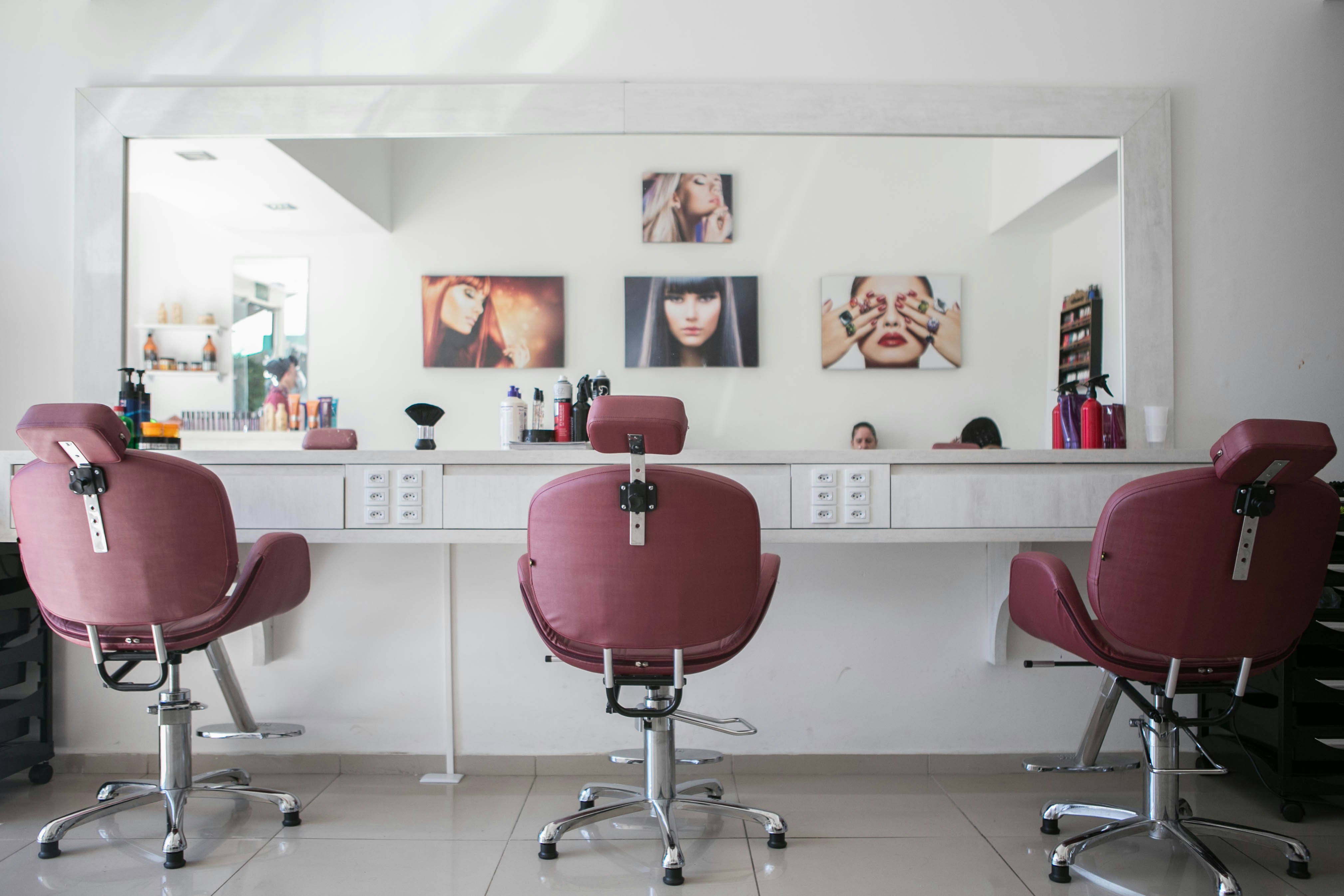
Example Salon Gallery



Conclusion
A professional website is no longer a luxury for hair salons; it is a necessity. From online bookings and product sales to galleries and service pricing, a website helps salons operate more efficiently while attracting more customers. By investing in a well-designed website, salon owners can modernize their business, improve customer convenience, and increase revenue opportunities.
As the beauty industry continues to evolve digitally, salons that adopt online solutions will remain competitive and continue growing. A website becomes the foundation of a salon’s digital presence, connecting clients with services anytime and anywhere.
.png)